


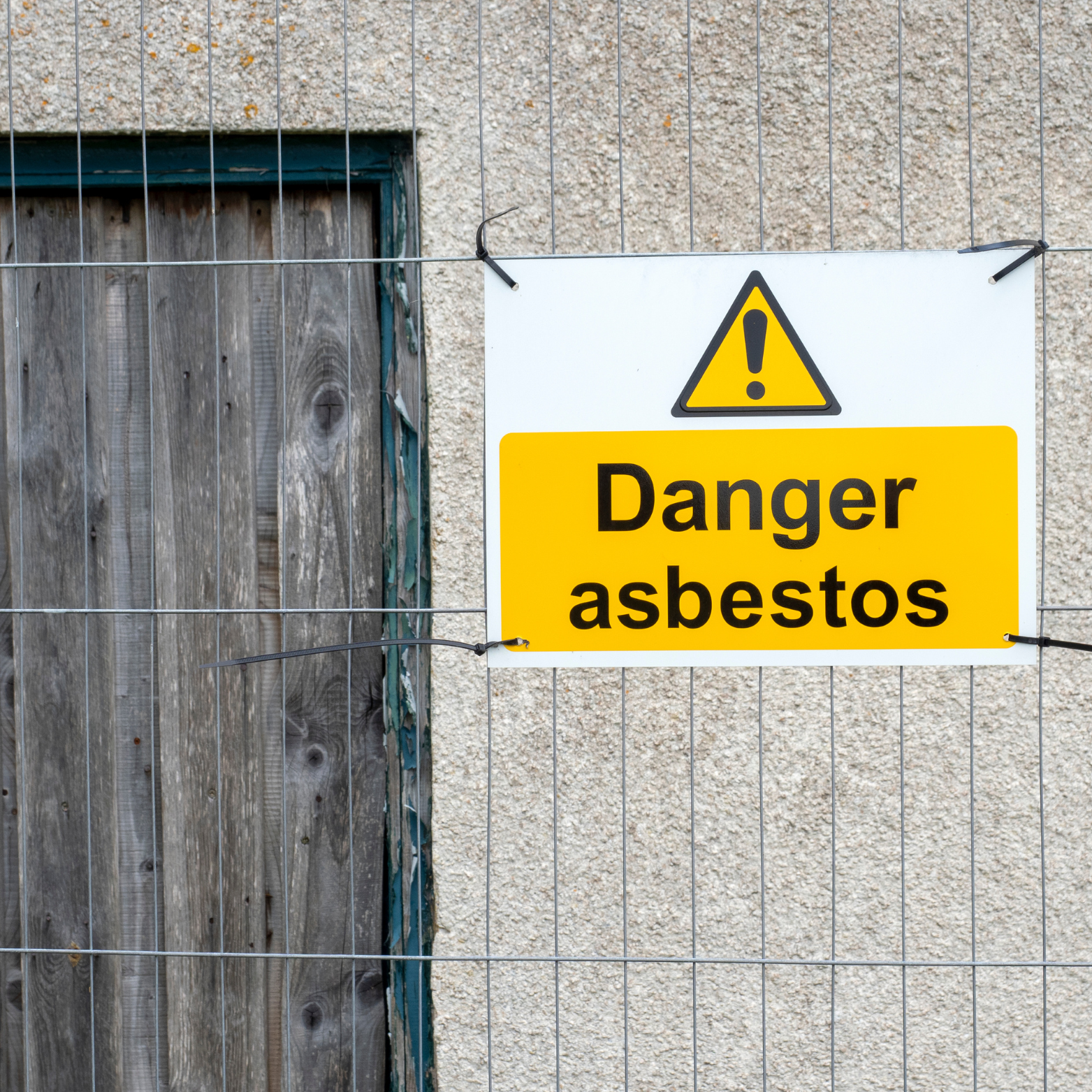
What is Asbestos?
Asbestos isn't a synthetic chemical; it’s mined from the earth. There are six main types, with Chrysotile (white asbestos) being the most common. Its physical properties are remarkable: it is stronger than steel, yet soft enough to be woven like cotton.
The Golden Age of Use
From the 1940s through the late 1970s, asbestos was the "miracle mineral." It was ubiquitous in:
Insulation: Sprayed-on fireproofing and "popcorn" ceilings.
Flooring: Vinyl floor tiles and the adhesives (mastic) used to stick them down.
Roofing: Cement shingles and corrugated sheets.
Automotive: Brake pads and clutch linings.
Why is it Dangerous?
The primary risk factor is friability. A "friable" material is one that can be crumbled by hand pressure. When asbestos becomes friable, it creates a toxic dust cloud. Unlike normal dust, these fibers are needle-like and microscopic.
Once inhaled, the body cannot expel them. Over 10 to 40 years, these fibers cause inflammation and DNA damage, leading to:
Mesothelioma: A rare, aggressive cancer of the lining of the lungs or abdomen.
Asbestosis: A chronic lung disease caused by scarring of lung tissue.
Lung Cancer: Significantly higher risk for smokers exposed to asbestos.
How to Stay Safe
If you live in a home built before 1980, there is a high probability asbestos is present.
Leave it alone: If it’s in good condition, it poses almost zero risk.
Don't DIY: Never sand, scrape, or drill into materials you suspect contain asbestos.
Hire Professionals: If you are renovating, get an asbestos survey. Licensed abatement teams use specialized vacuums (HEPA) and "negative pressure" enclosures to keep the dust from spreading