


Asbestos is perhaps the most paradoxical material in human history. Once hailed as the "Magic Mineral" for its ability to save lives through fire prevention, it eventually became the subject of the longest and most expensive mass tort in legal history. Understanding asbestos requires looking at it through three lenses: its physical properties, its biological impact, and its regulatory legacy.
I. The Geology of a Killer
Asbestos is not a single mineral; it is a generic commercial term for a group of six naturally occurring silicate minerals. These are categorized into two primary families:
Serpentine (Chrysotile): Known as "white asbestos," these fibers are curly and flexible. They account for roughly 95% of all asbestos used globally.
Amphibole (Amosite, Crocidolite, etc.): These fibers are needle-like and brittle. While used less frequently, they are often considered even more hazardous because their sharp shape allows them to pierce lung tissue more easily.
At a molecular level, asbestos is incredibly stable. It can withstand temperatures exceeding 800°C, is impervious to chemical rot, and has a high tensile strength. This combination of "indestructibility" is exactly what makes it so dangerous inside the human body.
II. The Industrial Revolution and Global Proliferation
While the Greeks and Romans used asbestos for "everlasting" lamp wicks and napkins that could be cleaned by throwing them into a fire, the industrial use of asbestos exploded in the late 19th century.
As steam engines and high-heat manufacturing took over, the world needed a way to contain heat. Asbestos was the answer. By the mid-20th century, it was used in over 3,000 different products, including:
Acoustical Plaster: Used in schools and hospitals to dampen sound.
Transite Pipes: Used for water and sewer lines across entire cities.
Shipbuilding: Thousands of tons were used in WWII-era ships to protect sailors from engine room fires.
Domestic Goods: It was even found in vintage hair dryers, ironing board covers, and artificial "snow" for Christmas displays.
III. The Biological Mechanism: Why the Body Fails
The danger of asbestos is purely mechanical. When a material like an old ceiling tile is broken, it releases "fibrils." These are so small they can remain airborne for 72 hours in a still room.
When inhaled, they bypass the nose and throat’s natural filtration systems and settle deep in the alveoli (the tiny air sacs in the lungs). Because the fibers are chemically inert and physically sharp, the body’s immune system (macrophages) cannot break them down. The immune cells essentially "cut" themselves on the fibers and die, leading to a cycle of permanent inflammation and the buildup of scar tissue, known as fibrosis.
Eventually, this cellular damage can trigger mutations in the DNA, leading to Mesothelioma, a cancer that typically develops in the pleura (the thin membrane surrounding the lungs).
IV. Modern Management and "In-Place" Encapsulation
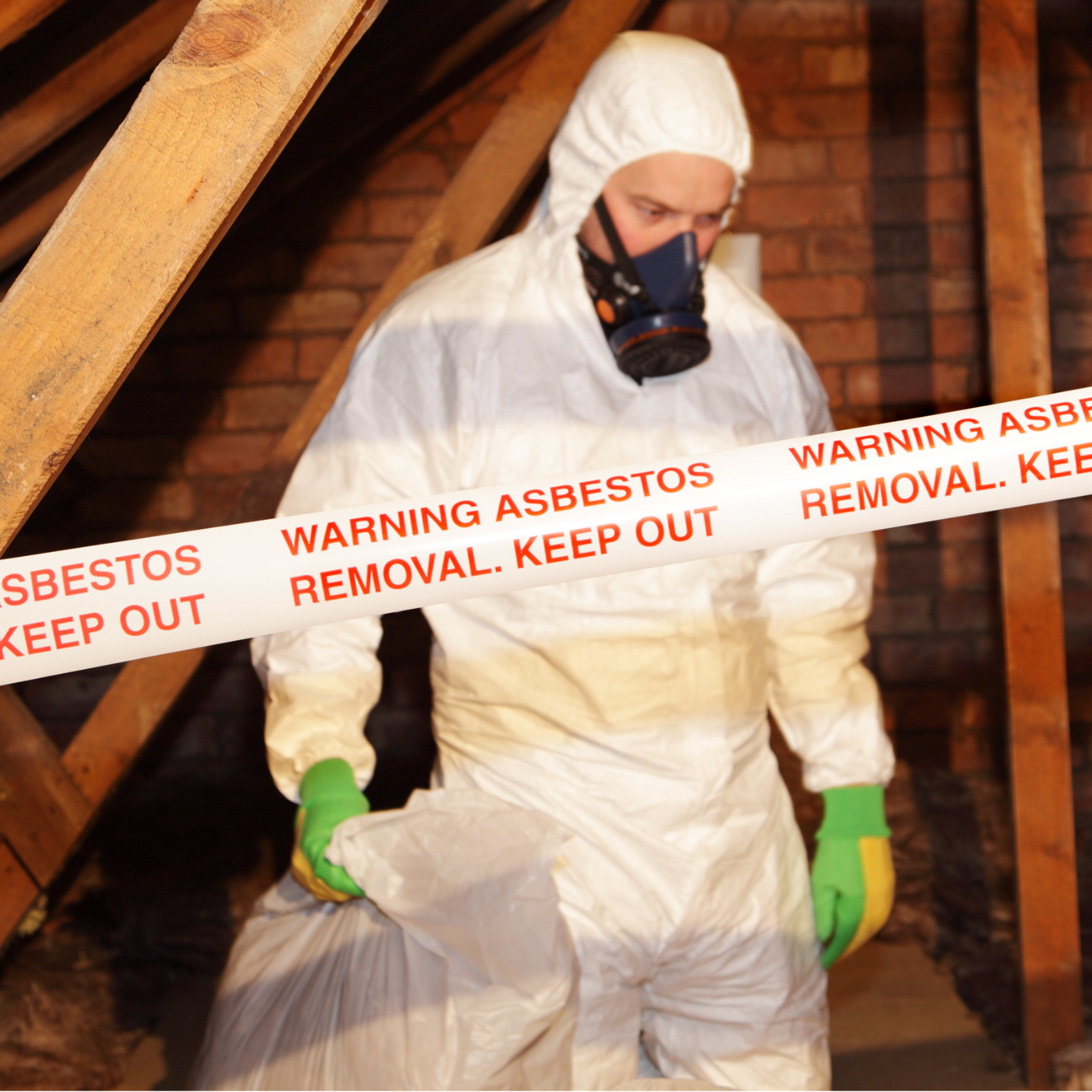
Today, the prevailing wisdom from organizations like the EPA and OSHA is that intact asbestos is not a health risk. The modern strategy is often encapsulation rather than removal. By coating asbestos-containing materials in a high-grade sealant, the fibers are "locked" in place. Removal is often the last resort because the process of ripping out the material actually creates the very dust cloud that experts try to avoid.
V. The Global Status
While asbestos is heavily regulated or banned in over 60 countries, it is not a "global" ban. Some of the world’s largest economies still mine and use chrysotile asbestos in construction. This creates a dual reality where developed nations are spending billions on "abatement" (removal), while developing nations continue to install it in new infrastructure.