


🧪 The Future Beyond Asbestos: Safer Materials and Smarter Detection
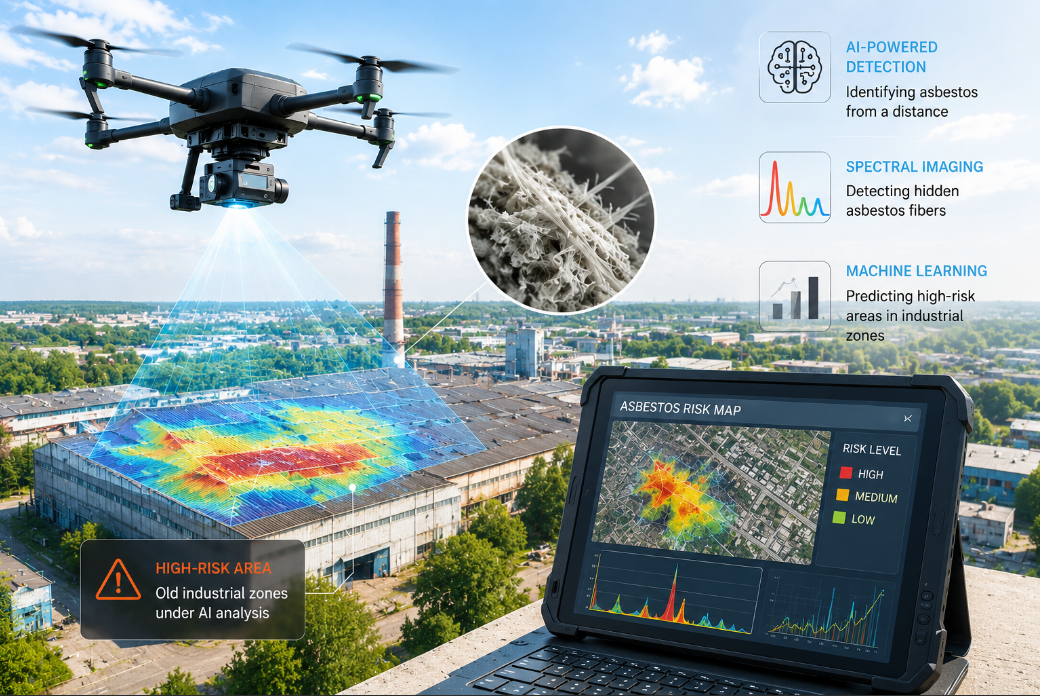
Table of Contents
While asbestos use is declining, the need for strong, heat-resistant materials hasn’t vanished. Researchers are exploring nanomaterials, ceramic fibers, and biosilica composites as safer replacements. These alternatives aim to provide the same durability without toxic side effects.

At the same time, technology is improving asbestos detection. AI-powered drones and spectral imaging can now identify asbestos fibers in building materials from a distance, reducing the need for manual inspections. Machine learning models are also helping predict high-risk areas in old industrial zones.

The future looks promising — but vigilance is key. The legacy of asbestos shows how a single “miracle material” can become a global health disaster when safety is ignored. The lesson for scientists and policymakers alike: innovation must never outpace responsibility.